
Understanding the Keys Locked in Car Situation
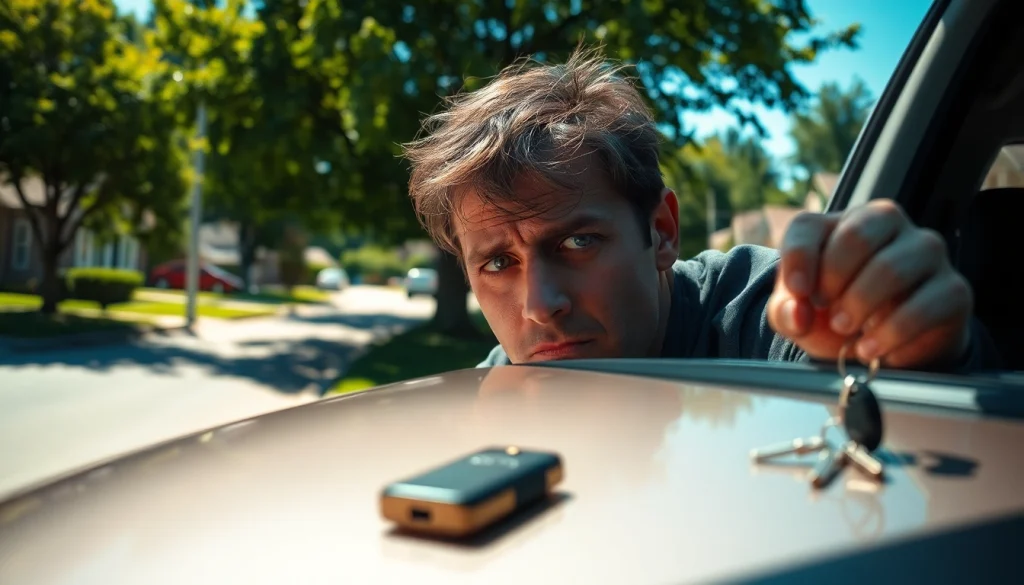
Finding yourself in a situation where Keys Locked in Car can be a frustrating and stressful experience. Whether you’re parked at a shopping center, in your driveway, or away on vacation, vehicle lockouts can happen to anyone, often when we least expect it. Understanding the common causes, immediate reactions, and available options can empower you to respond effectively.
Common Causes of Vehicle Lockouts
Vehicle lockouts are often the result of simple mistakes or unforeseen circumstances. Here are some of the most common causes:
- Accidental Locking: One of the top reasons for being locked out is accidentally locking the keys inside the car. This can happen if you set your keys down while getting out or closing the trunk.
- Lost Keys: Misplacing keys is surprisingly easy, especially if you have multiple sets or if your daily routine is hectic.
- Malfunctioning Locks: Wear and tear on vehicle lock mechanisms can lead to malfunction, causing issues that result in being unable to unlock the door, even with the correct keys.
- Faulty Key Fob: For vehicles that rely on key fobs, a dead battery or electronic glitch can leave you stranded, unable to access your vehicle.
Immediate Reactions: What to Do First
When you realize your keys are locked inside your car, it’s important to remain calm. Panic can cloud your judgment, making it difficult to think clearly. Here are some immediate actions to consider:
- Check for Spare Keys: If you have a spare key with you or if someone nearby has one, this could provide a quick solution.
- Inspect Your Surroundings: Look for any open windows or doors that might allow you temporary access, though this is less common in modern vehicles.
- Evaluate Your Options: Decide whether to try a DIY method, call a friend or family member for help, or contact a professional service.
Assessing Your Options: DIY vs. Professional Help
Your next steps should be determined by the urgency of the situation, the time available, and whether you feel comfortable attempting a DIY unlock. Professional locksmiths or roadside assistance services are often reliable and quick options, but a bit of knowledge about potential DIY methods can also save time and money.
DIY Solutions for Keys Locked in Car
Tools You Might Need to Access Locked Cars
Some DIY solutions for unlocking cars do require special tools or improvised items. Here’s a list of common tools that can help:
- Slim Jim: This tool is designed to slip between the weather stripping and physical locks, allowing access to manual door mechanisms.
- Wire Hanger: A nicely bent wire hanger can work similarly to a slim jim for certain types of locks. Just be cautious of damaging the vehicle.
- Wedge: Employing a wedge (wood or plastic) can create a gap large enough to insert a tool to unlock the car.
- Inflatable Wedge: Available from some automotive retailers, this inflatable pouch can create a small gap to allow a tool access.
Step-by-Step Guide to Unlocking Your Vehicle
If you decide to attempt a DIY unlock, follow these steps carefully:
- Prepare Your Tools: Gather your chosen tools and ensure you have a clear workspace around the car.
- Insert the Wedge: Insert your wedge tool at the top corner of the driver’s door to create a small gap.
- Introduce Your Unlocking Tool: With the gap created, carefully insert a slim jim or wire hanger to locate the locking mechanism.
- Unlock the Door: Once you manipulate the mechanism correctly, the door should unlock; be patient as this may take some trial and error.
Risks Involved in DIY Methods
While attempting to unlock your vehicle yourself can save time and money, it’s essential to be aware of potential risks:
- Damage to Vehicle: Using improper tools or techniques can scratch the paint, damage the weather stripping, or even break windows.
- Injury: There’s a risk of injury from sharp tools or pinching your fingers while attempting to unlock the door.
- Legal Concerns: Some may face legal issues if a police officer perceives someone trying to unlock a vehicle as suspicious activity.
Professional Assistance for Keys Locked in Car
When to Call a Locksmith or Roadside Assistance
Knowing when to call for professional help is critical. Here are scenarios when you should seek expert assistance:
- Failed DIY Attempts: If your attempts to unlock the car yourself fail, it’s safer and more efficient to call a professional than risk further damage.
- Time Constraints: If you’re in a hurry or if safety is a concern (e.g., children are locked in), professional assistance is the best route.
- Complex Lock Systems: Modern vehicles may have sophisticated locking mechanisms that require specialized tools and training to manipulate.
Cost Considerations for Professional Help
Understanding the cost of professional lockout services can help avoid surprises:
- Service Call Fees: Most locksmiths charge a service call fee that generally covers their travel expenses.
- Pricing Variance: The price may vary based on location, time of day, and the complexity of the lockout situation.
- Insurance Coverage: Some auto insurance policies cover lockout services, so it is worth checking your plan.
Choosing the Right Service Provider for Lockouts
Selecting a reliable locksmith or roadside service includes evaluating a few important factors:
- Verify Licensing: Ensure that the service is licensed and insured to operate in your area.
- Read Reviews: Check online reviews and ratings to gauge the service quality and reliability.
- Response Time: Inquire about their average response time, as this can vary significantly between providers.
Preventative Measures to Avoid Keys Locked in Car
Best Practices for Keeping Keys Accessible
Prevention is always better than cure. Here are some best practices to keep your keys safely accessible:
- Consistent Key Locations: Establish a specific place in your home, car, or office where you always keep your keys.
- Routine Check: Before exiting your car, develop a habit of checking that you have your keys in hand.
- Key Reminders: If you have trouble remembering, consider placing reminders in your car or on your phone.
Technology Solutions: Smart Keys and Tracking Devices
Modern technologies can assist in preventing lockout situations:
- Smart Key Systems: Many new cars come with smart key systems that allow for keyless entry, often reducing the chances of lockouts.
- Key Finders: Investing in Bluetooth key finders can help you locate misplaced keys quickly, saving time and stress.
- Mobile Apps: Some vehicles have dedicated mobile applications that can unlock or locate your car remotely.
Developing a Backup Plan for Emergencies
Creating a plan for emergencies can relieve stress when you do face a lockout. Here’s what you can do:
- Spare Key Storage: Consider securely hiding a spare key on your property or providing one to a trusted friend.
- Roadside Assistance Membership: Joining a roadside assistance program can offer peace of mind, as many plans provide lockout services.
- Emergency Contact List: Keep a list of contacts you can call for help, whether friends, family, or local locksmiths.
Frequently Asked Questions About Keys Locked in Car
What Should I Do if I’m Stranded?
If you find yourself stranded due to Keys Locked in Car, try to remain calm. Assess your immediate surroundings and activate alerts if necessary—for example, your hazard lights. If you have a mobile phone, contact a friend, family member, or locksmith for assistance.
Can Police Assist with Locked Car Issues?
In many cases, police officers can assist with locked car situations, especially if it involves an emergency or a child or pet left in the vehicle. However, they may not assist with routine lockouts. It is advisable to define the urgency of the situation before contacting local law enforcement.
How Can I Prevent Future Lockouts?
To prevent future occurrences, adopt some of the mentioned best practices for keeping your keys accessible. Additionally, invest in technological solutions like smart key systems, and always have a back-up plan in place for emergency situations.